
The problem
EO Global needed thumbnails that carried a story in one glance and could be made by more than one person. A polished image alone could not tell the team whether the framing helped the right viewer choose an episode. It also could not solve requests arriving without a clear owner or deadline.
The call
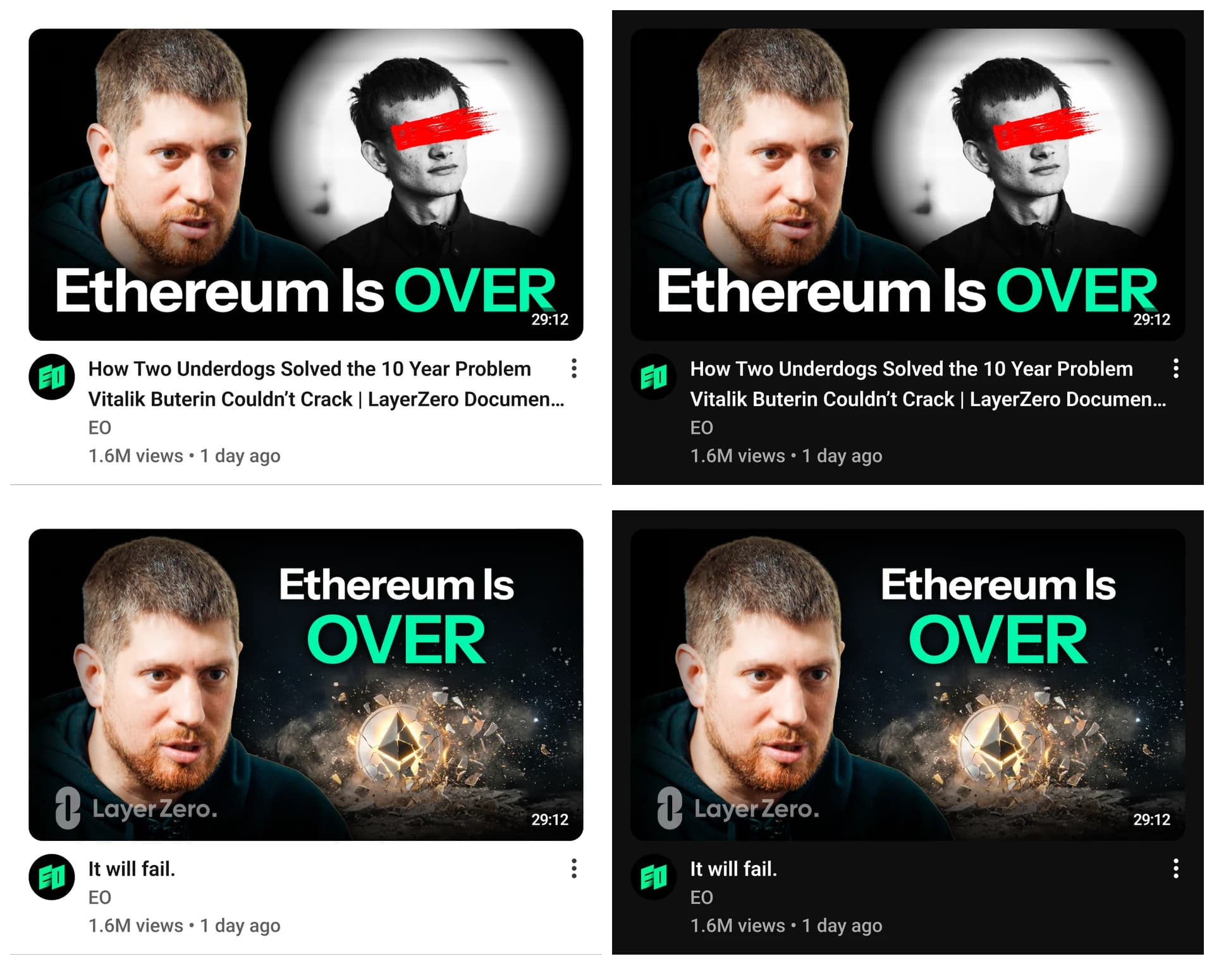
I moved the conversation from which thumbnail looked stronger to which promise each version made. A user-reported finding suggests that hope and ambition can outperform negative framing for some founder stories. The matched experiment, episode, date, and CTR export are still missing, so I treat that as an insight to test rather than a published result.
The design decision was to test a specific editorial variable while keeping the episode, audience, crop, and window comparable. I also set a two-week review and swap rule in the working process: a thumbnail should return to the team for a deliberate decision, not remain untouched because no one owns the follow-up. The documented request route uses a dedicated intake path and pre-filled issue information so the next designer can see the context.
The system
- 01Frame the episode's promise
- 02Make comparable visual options
- 03Preview in YouTube context
- 04Publish and record the variant
- 05Review after two weeks
- 06Keep, swap, or brief the next test
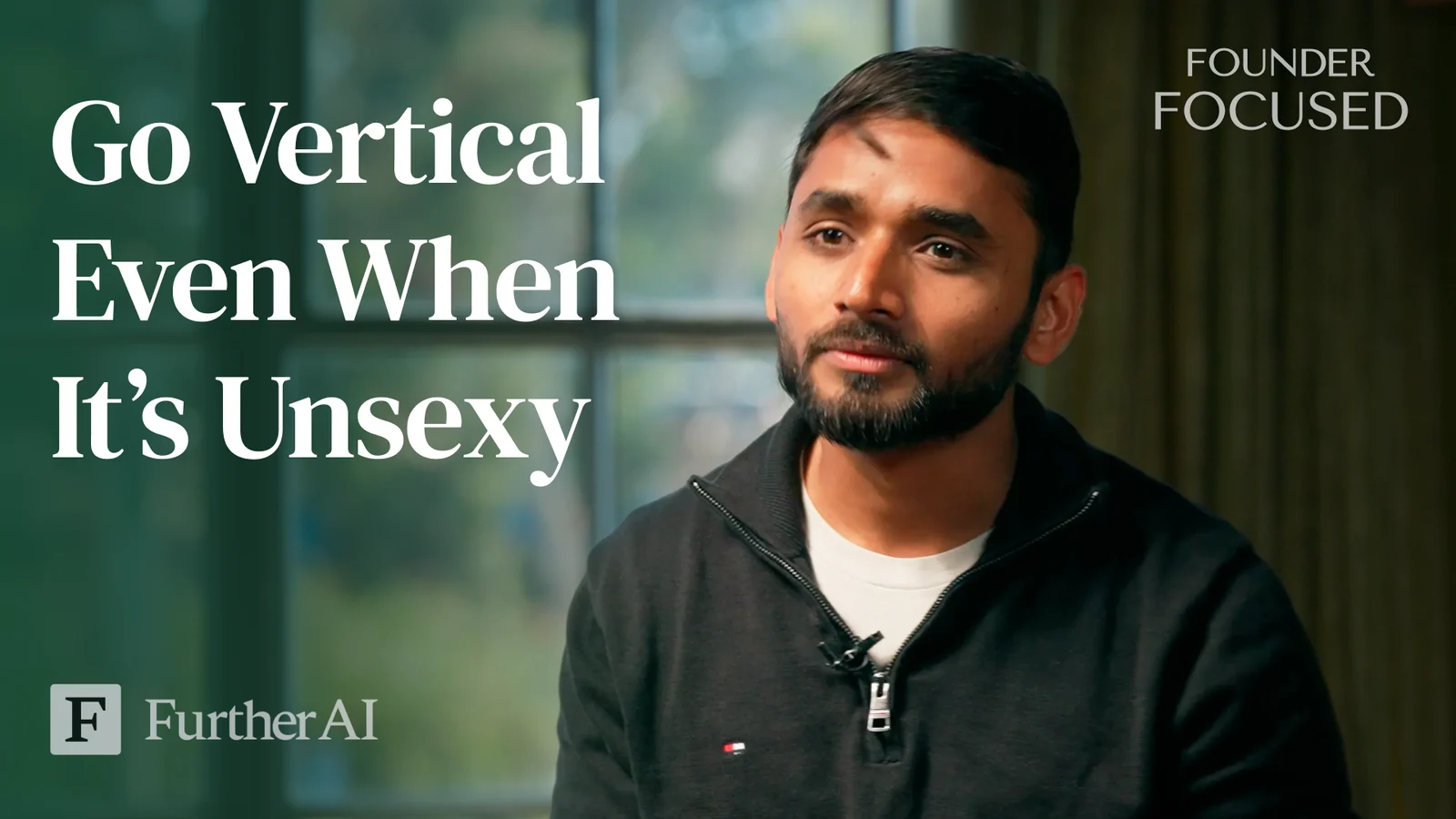
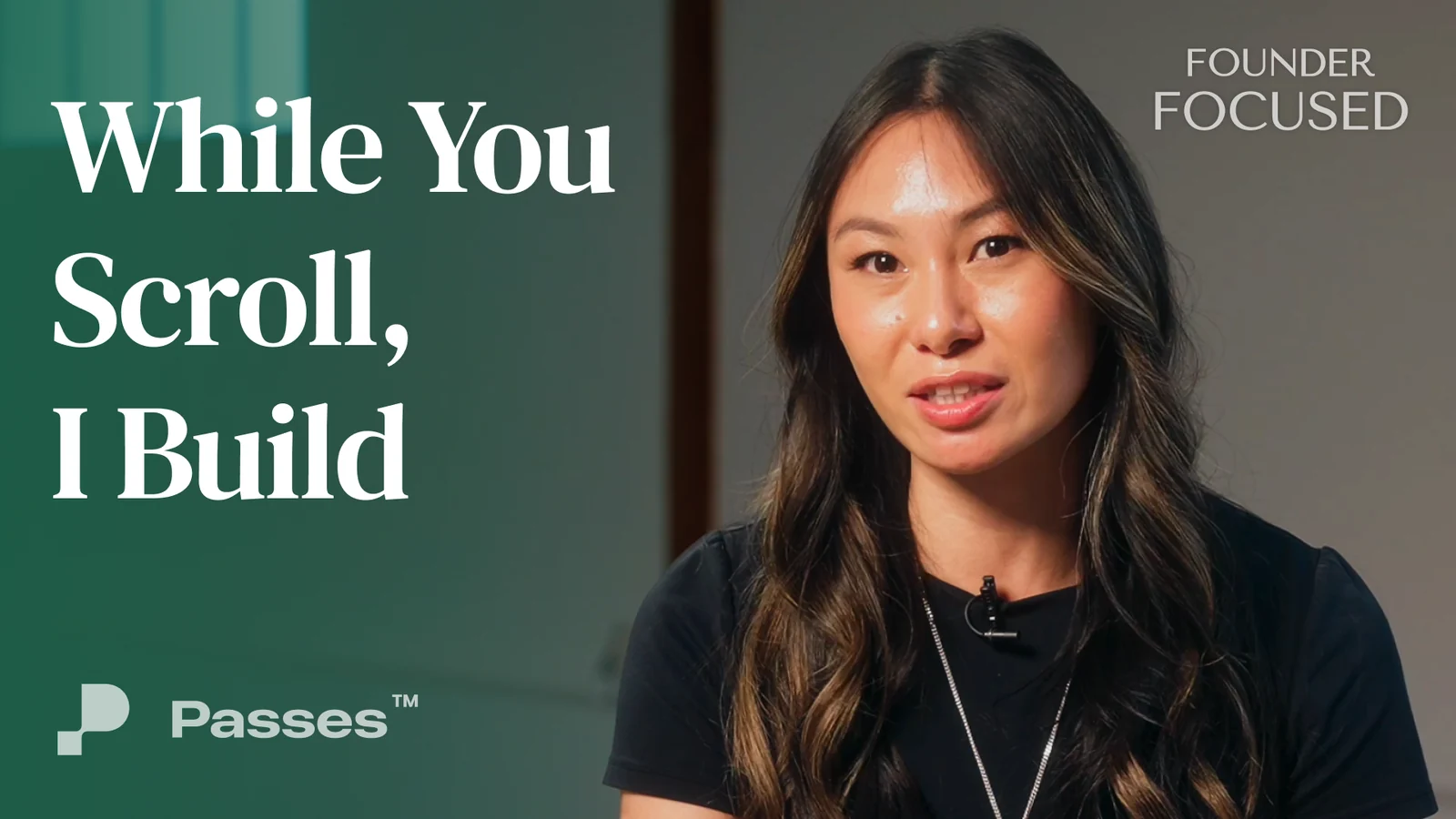
The comparison below shows two real thumbnails from the same Founder Focused series, at the same aspect ratio. They are different episodes, not a matched A/B pair. The control demonstrates how a paired review can work without inventing a winning variant.
In the world
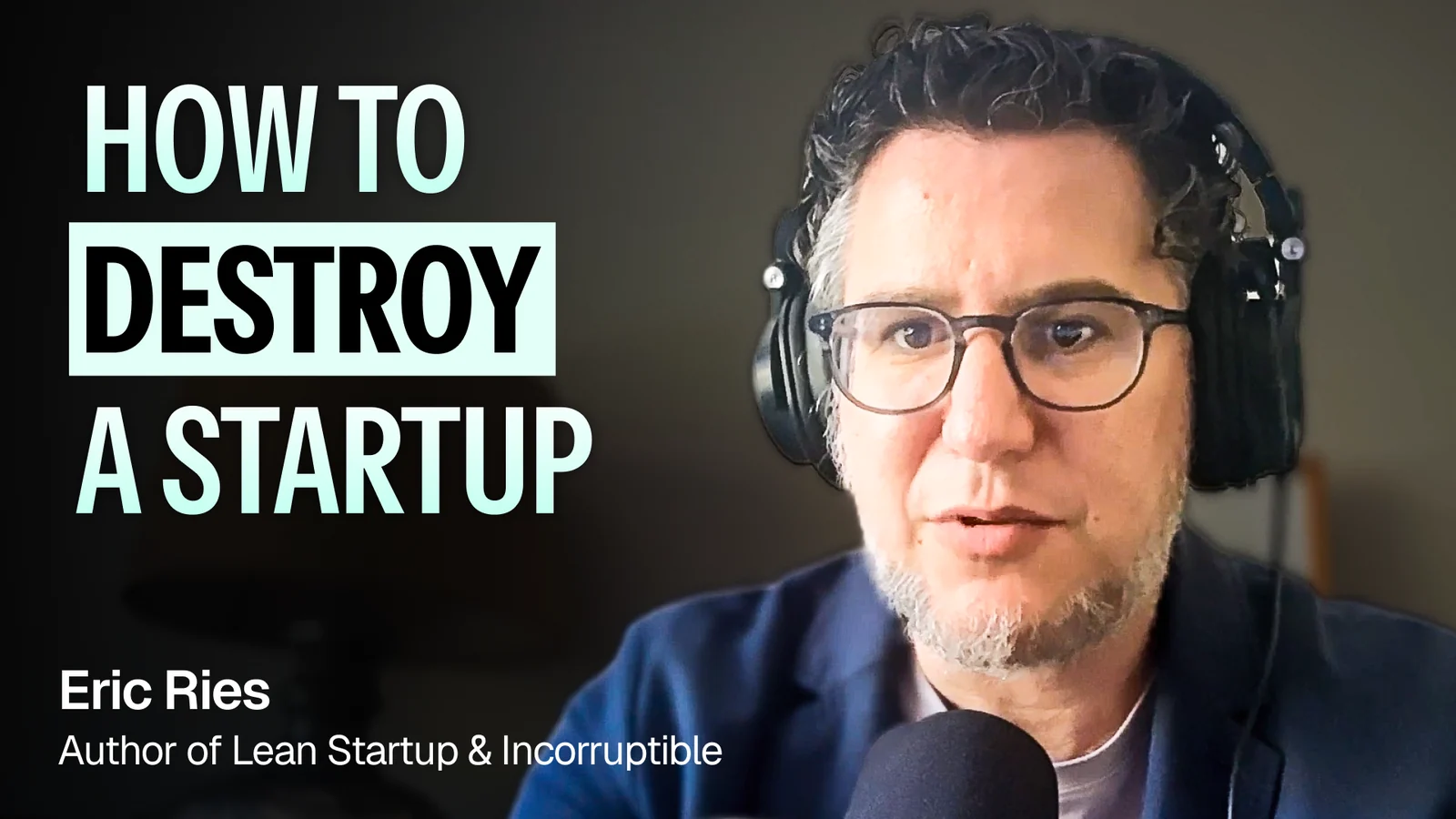
The format appears across founder interviews, with a shared component that lets a designer check legibility in the actual platform context. Earlier handcrafted covers and later system examples can show the production shift; they should not be misread as a performance experiment. An Eric Ries interview thumbnail exists in the current portfolio assets, but the episode URL and Jay's exact contribution need a final source check before that example carries a named case claim.
Outcome
The documented output is a reusable thumbnail component and a clearer production route. The stronger editorial claim remains user-reported until a comparable test is retrieved. CTR and watch time measure different behavior; one cannot be inferred from the other.
[[METRIC: CTR lift from hope-framing test]] [[METRIC: retention or watch-time impact]]What I'd tell another designer
A useful test changes the next brief. Save the variant and the question it asked, not just the winning image.