YouTube Thumbnail System
One problem solved four times at four layers: craft, written guide, in-situ preview component, automated pipeline.
- Client
- EO Studio
- Years
- 2024—2026
- Role
- Design, direction, tooling, automation
- Layers
- Craft → guide → component → pipeline
Problem
A media company ships thumbnails constantly, across two languages, several channels and a rotating set of designers. The failure mode is not one bad thumbnail; it is inconsistency at volume. This is the same problem solved four times between 2024 and 2026, each time at a different layer.
1 — Craft, 2024 onward
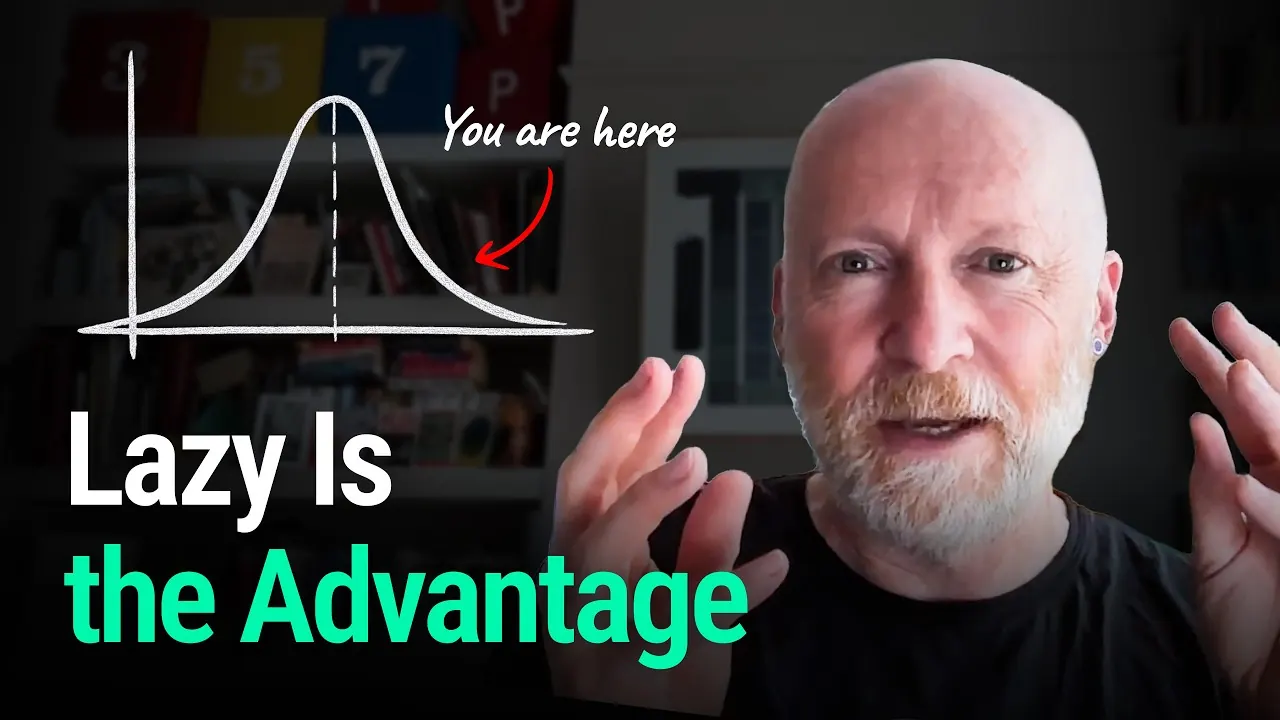
Hands-on thumbnails for episodes including Figma Config, Sift, Decagon, TwelveLabs, Kalshi and RLWRLD. The working rules are written down with their reasons, not kept as instinct: darken the plate behind copy so text survives any frame; place captions with the Z-pattern reading order; keep the bottom-right corner empty because YouTube's duration chip sits there; source stills from frame exports, never screenshots.
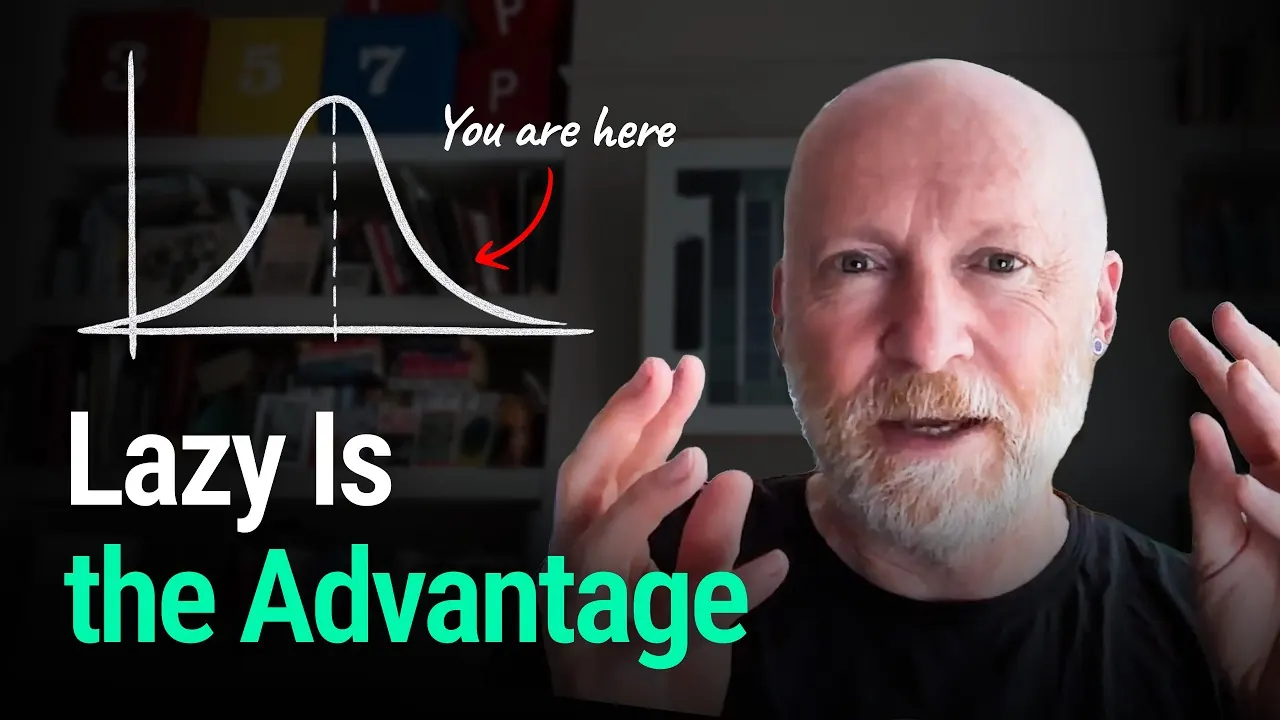

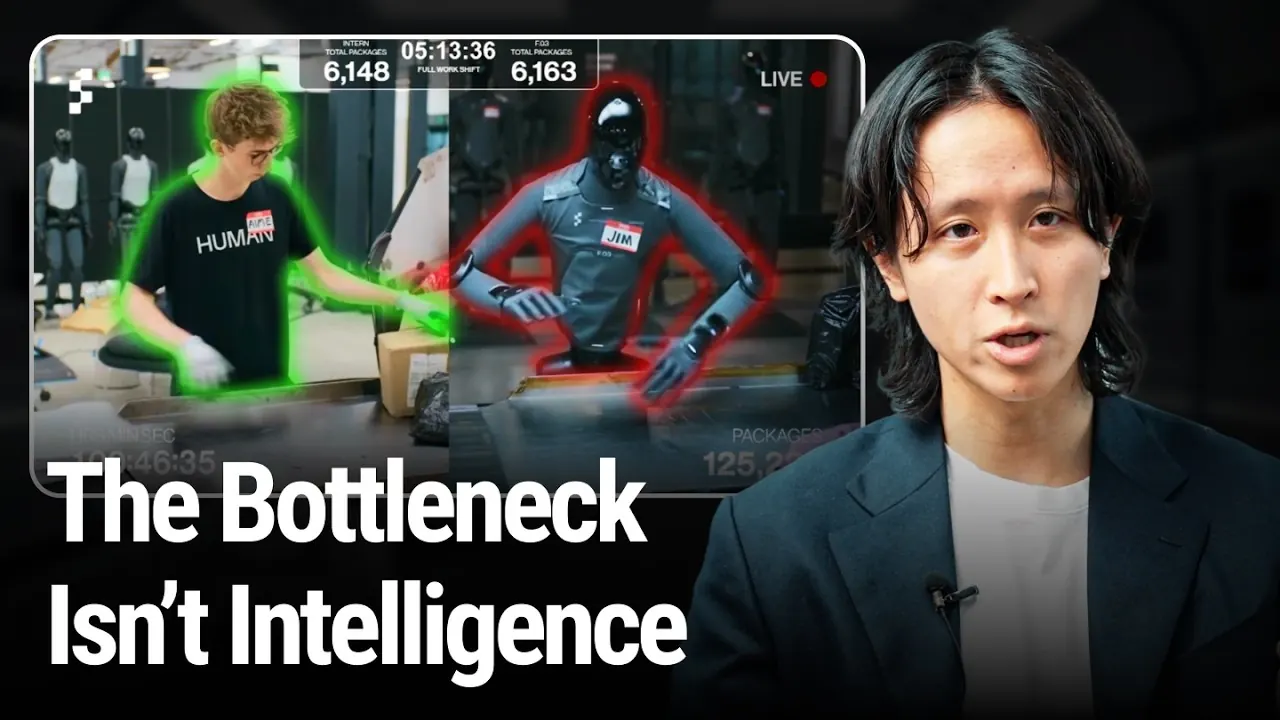
See the grid live — @eoglobal on YouTube ↗the surface where consistency is actually judged
2 — Guide, September 2024
Craft in one person's hands does not scale, so the rules became the Global Thumbnail Guide in Notion, the standing reference the company briefs against. A running Thumbnail Design Guide followed in 2025; its first section was a typeface set deliberately constrained to Figma- and Google-licensed fonts, a cost decision as much as a design one.
Read the guide — Global Thumbnail Guide ↗public Notion page
3 — Component, February 2026
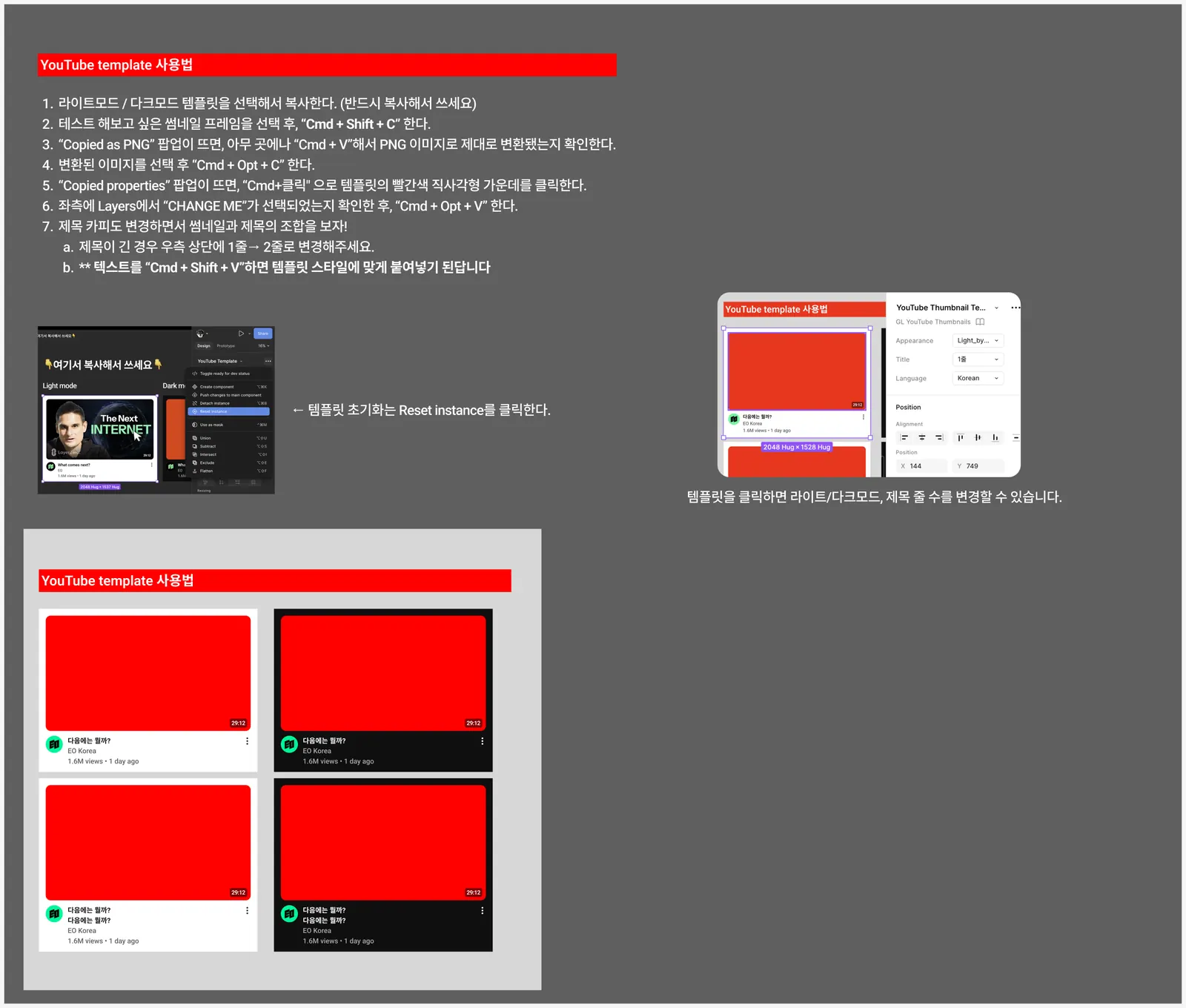
Thumbnail arguments kept happening on a Figma canvas, where a thumbnail looks nothing like it does at 320 pixels beside a title. So I built a Figma component that renders image plus title exactly as the real YouTube UI does, with variants for light and dark mode, title line count, and language. The decision: judge the work on the surface it ships to. The master lives in the global file and was copied into the KR team's file the same week.
4 — Pipeline, July 2026
The guide fixed quality; throughput was still manual. Two shipped automations closed the loop: every thumbnail request now auto-creates a pre-filled Linear issue, with the naming convention, a due date set to the last business day before publish, estimate, cycle and channel labels already applied; and published thumbnails auto-archive to Google Drive three days after publish, named by review round.
Outcome
The system runs today across the global and Korean channels. The same problem never got solved the same way twice: hands, then a document, then a tool, then a pipeline.